
★ 4.9 on Google · 150+ Reviews · Best of 2026 · BPI Certified
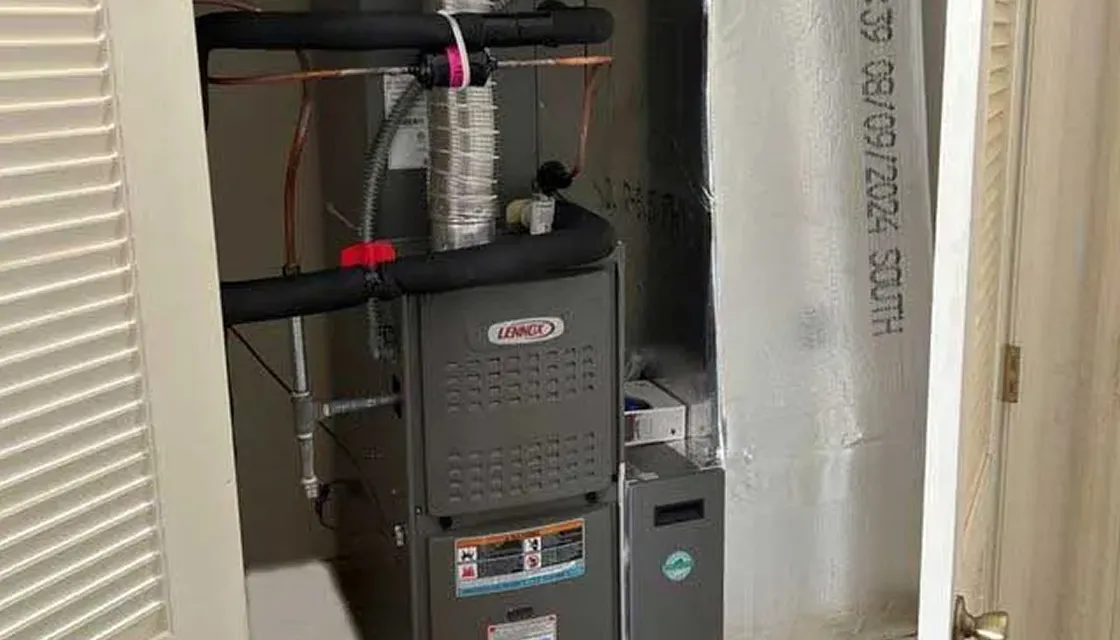
Most Florida homes heat one of three ways. Knowing which one you have explains your winter bill and what to do when it stops working.
The most common system in Florida. It cools in summer and heats in winter using the same equipment.
Heat pump repair →Burns natural gas or propane for heat, usually paired with a separate AC. It needs regular safety checks.
Furnace repair →Electric coils in the air handler. Simple and reliable, but expensive to run when they do all the heating.
Electric heat repair →When a heat pump can’t keep up, backup electric heat strips take over. They work, but they can use two to three times as much electricity to make the same amount of heat.
That’s why a few cold weeks can bring a bill that feels like August.
A winter bill that jumps usually isn’t the weather. It’s a sign something in your system needs attention.
Heat pumps, gas furnaces, electric furnaces and heat strips. We find the real cause and fix it, all brands.
See heat pump repair →We’re BPI certified and trained in combustion safety, so your furnace runs safely, not just runs.
See furnace repair →Twice-a-year plans that keep your heating and cooling ready before you need them.
See maintenance plans →A new system sized and designed for your home, not guessed from the old one.
See our replacement approach →Your heat and your AC share the same air handler, blower and ductwork. A problem with airflow or ductwork shows up in both seasons: rooms that won’t warm up in winter are often the same rooms that won’t cool in summer.
That’s why we look at the whole system, not just the part that stopped working, so your home is comfortable in January and in July.
See our AC services →
A heat pump. It cools your home in summer and heats it in winter using the same equipment. Some homes have a gas furnace or electric heat strips instead, or as backup.
Usually it’s dust burning off after months without use. If the smell lasts more than a short while, or smells like burning plastic or wires, turn the system off and call us.
Most often, backup electric heat strips are doing the work your heat pump should be doing. That’s a sign the heat pump needs attention.
Yes. A check before the first cold night catches problems early, and for a gas furnace it’s a safety check too. Our twice-a-year maintenance plans cover heating and cooling.
Yes. A new heat pump or furnace should be sized and designed for your home, the same way we approach every AC replacement.
Ocala, The Villages and the surrounding areas, including Marion, Sumter, Lake, Citrus, Alachua and Orange Counties and the Orlando area.
September 29, 2026
Think your HVAC system was installed wrong? Learn the top signs of poor HVAC installation in Florida—from mold risks to humidity issues—and how to fix them the right way.
September 29, 2026
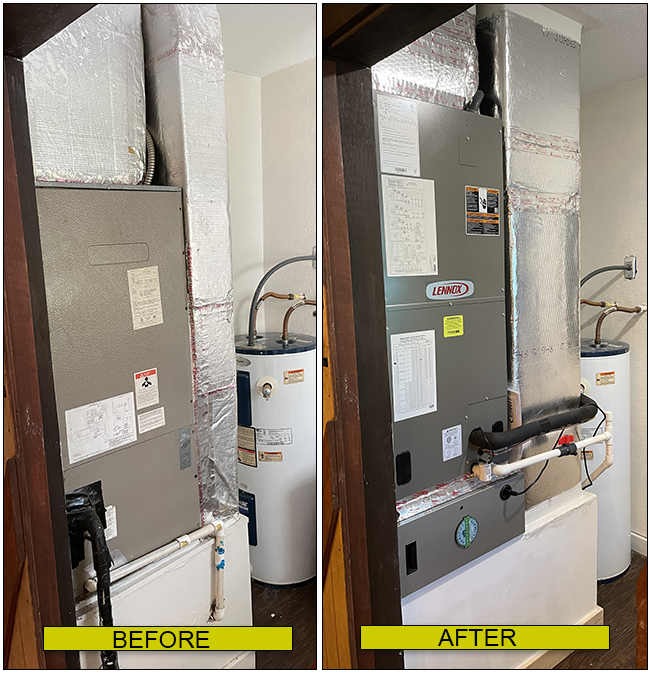
Avoid these top 10 HVAC mistakes Florida homeowners make. How to design for humidity, airflow, and long-term comfort with expert tips and proven strategies.
September 29, 2026
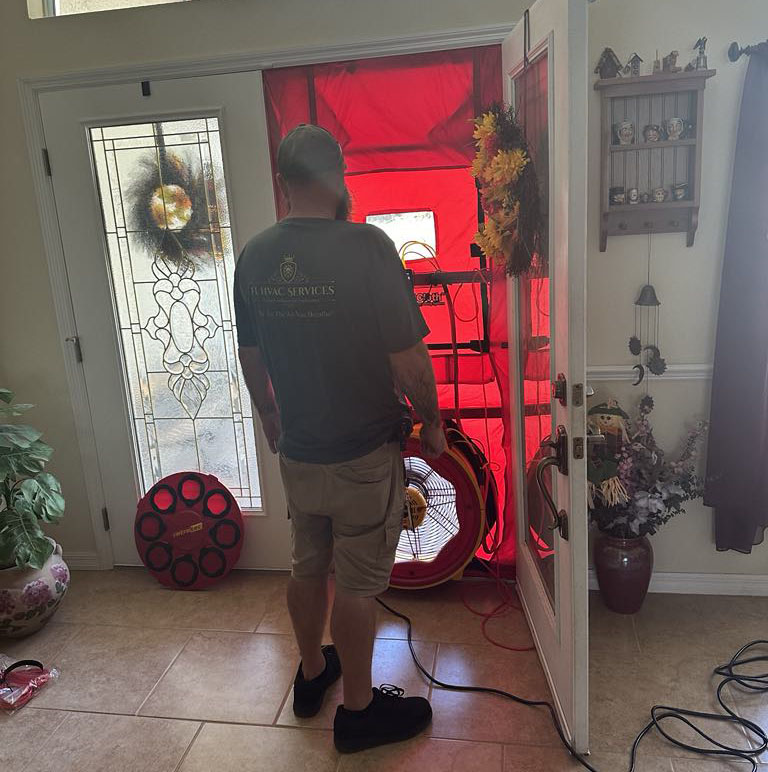
Discover the truth about HVAC energy efficiency in Florida. Learn why proper system design matters more than SEER ratings and how to really lower your electric bills.